
Roll Labels
Useful for repeated packaging application where a roll format suits the buyer’s workflow.

StikTec packaging and identification guide
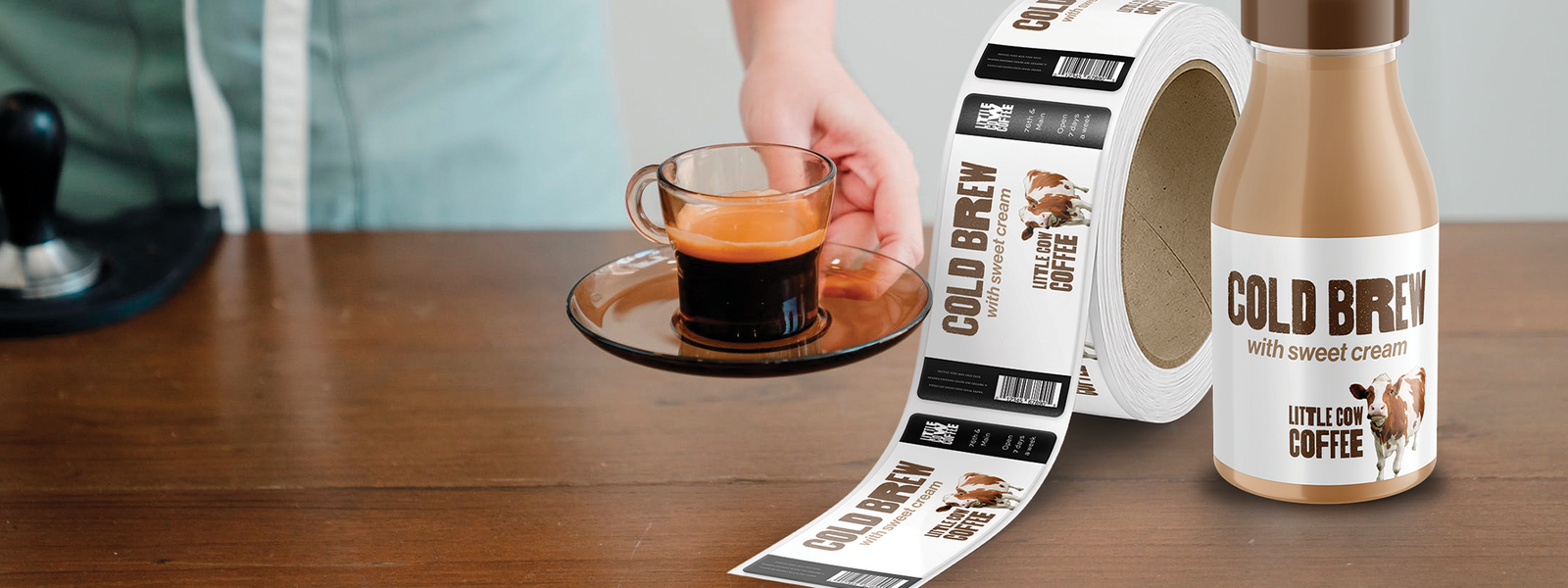
Personalized product labels are custom labels made to match a specific product, package, brand, market, or information requirement. They can combine approved artwork, dimensions, shape, material, finish, barcode data, serial information, and product-specific content into one practical packaging component.
For brands and buyers, personalization connects presentation with the way a product is packed, handled, identified, displayed, and replenished. The starting point is a clear brief: what the label needs to communicate, where it will be applied, and how it will be supplied.
Overview
A generic label might only identify a product category. A personalized label can distinguish the exact item, variant, pack size, market, campaign, batch, or customer program. It gives brand owners a controlled place for approved product information while helping packaging buyers plan a realistic application format.
Personalization can be simple, such as a logo and a custom size, or more detailed, such as a coordinated family of product packaging labels with barcode labels, changeable batch data, and several finishes. The right scope depends on the product surface, design intent, supply workflow, and content that must remain readable.
Why brands use personalized product labels
Custom product labels carry the visual elements that help a product belong to a brand family: logo, colour, typography, imagery, and a defined label shape. Consistency matters across a shelf, a shipment, and a buyer’s product portfolio, but artwork should still be checked against the actual package and usable print area.
Product packaging labels can bring together names, descriptions, directions, care notes, ingredients, warnings, or technical references. The product owner should supply and approve final content, translations, and market-specific requirements before production.
Colour, flavour, scent, size, model, and limited-edition details can be separated without changing the entire packaging system. A clear artwork process keeps shared brand elements stable while making the correct variant visible.
A label can be planned for a bottle, jar, pouch, carton, box, container, or equipment surface. Shape, curvature, application method, and finish affect how the final presentation works.
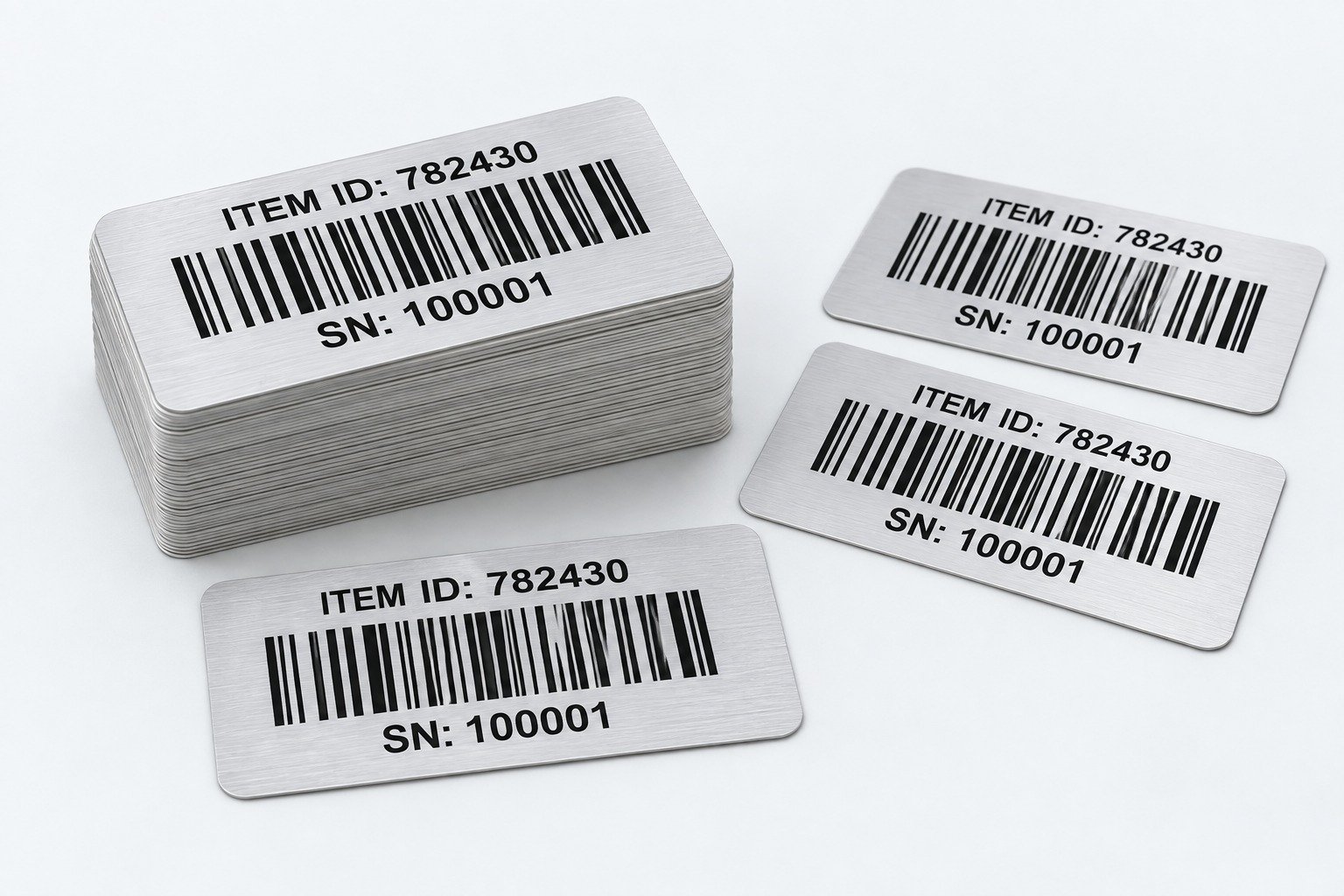
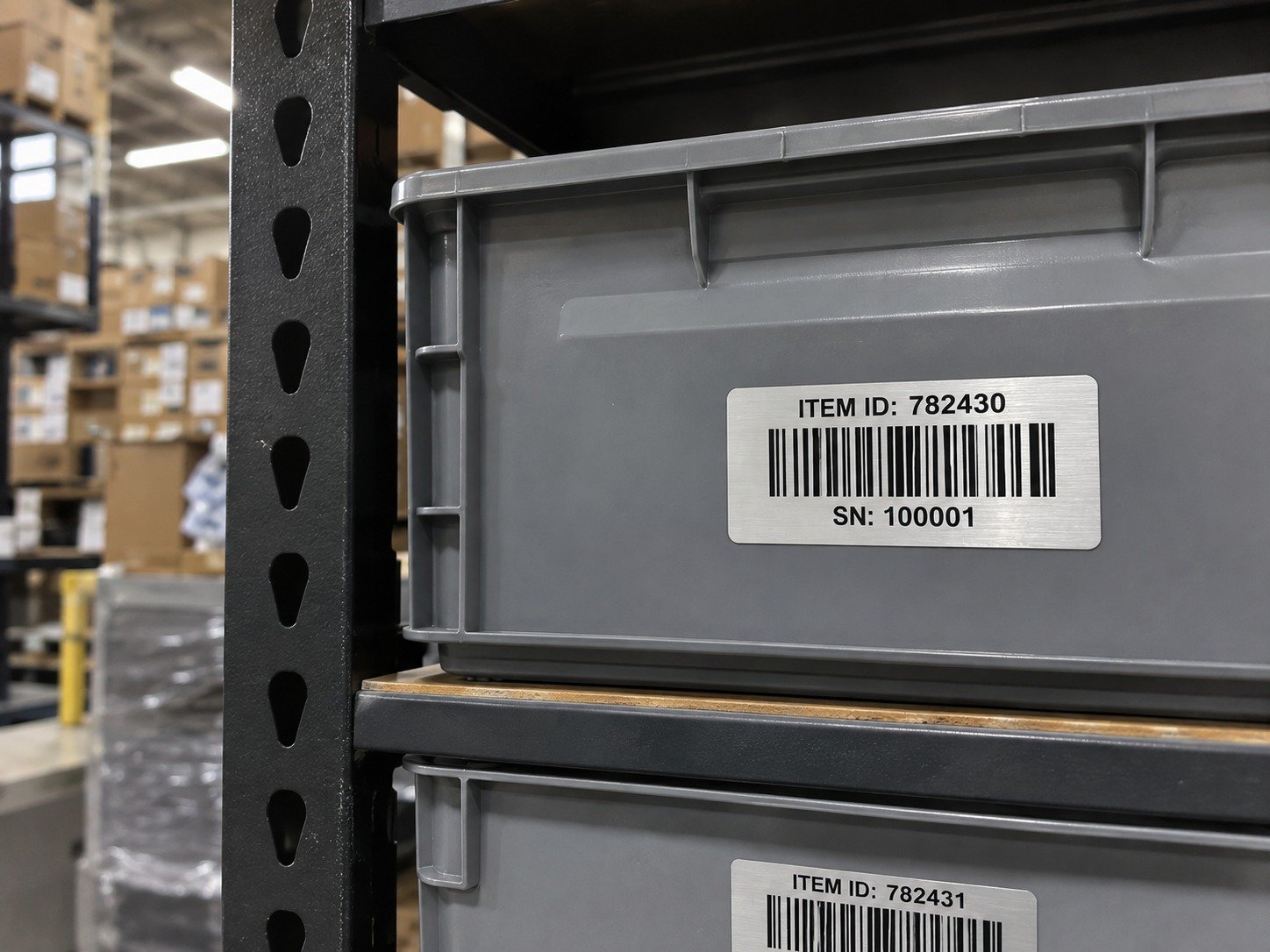
Barcode labels and variable data printing can support internal identification, retail workflows, batch references, model numbers, serial information, and QR links. Buyers must provide accurate approved data and barcode requirements.
| Business Need | Personalized Label Role |
|---|---|
| Brand consistency | Carries logos, colors, and visual identity. |
| Product information | Displays names, directions, ingredients, and descriptions. |
| Variant management | Identifies flavor, scent, size, model, or batch. |
| Retail readiness | Supports barcode, product ID, and packaging presentation. |
| Traceability | Can carry serial, batch, or variable information. |
What can be personalized?
Artwork establishes the visual system: approved logos, product names, colour guidance, graphics, and product hierarchy. Supply source artwork and brand guidance early so the intended result can be discussed against the actual package.
Dimensions and cut shape should follow the usable packaging area. A label that looks balanced on a flat proof may need a different proportion on a curved bottle, tapered jar, pouch seam, or carton edge.
Names, variants, directions, ingredients, warnings, and translations need final approval from the product owner. Leave space for the actual content rather than treating information as an afterthought.
Variable data printing means selected label fields can change between products, including batch references, model numbers, product variants, serial numbers, or QR links. Define the file structure, source of truth, and approval route before production.
Barcode and QR areas need buyer-supplied format, size, contrast, placement, and data requirements. StikTec does not claim barcode verification unless it is independently agreed and verified.
Material and finish choices should be connected to the product surface, handling, desired appearance, and application conditions—not selected from a screen image alone.
Label materials and finishes
Label materials are discussed in relation to product surface, shape, moisture, handling, cleaning, intended environment, and desired appearance. A material that looks suitable in one use case may need a different construction for another product. Share photos, drawings, and the actual application conditions.
PVC can be considered for flexible sticker and label applications where surface fit and visual result need review.
PET can be discussed for product and identification labels where information, handling, and the intended environment form part of the brief.
PC can be relevant for overlays and product-facing graphic applications where windows, cutouts, or panel features are needed.
Matte may support a reduced-glare presentation; glossy can provide a brighter visual appearance. Both need review against the finished product and viewing conditions.
These finishes can support handling, presentation, texture, or a premium visual accent. They are project choices, not performance promises; final suitability depends on the complete product context.
| Option | Main Discussion Point | Buyer Question |
|---|---|---|
| PVC | Flexible sticker and label applications | What surface and visual result are needed? |
| PET | Product and identification label applications | What information and environment apply? |
| PC | Overlays and product-facing graphics | Are windows, cutouts, or panel features needed? |
| Matte / Glossy | Glare control or brighter appearance | Is readability or color impact preferred? |
| Lamination / Foil | Surface layer or reflective accent | What handling and presentation need applies? |
Personalized label formats
Useful for repeated packaging application where a roll format suits the buyer’s workflow.

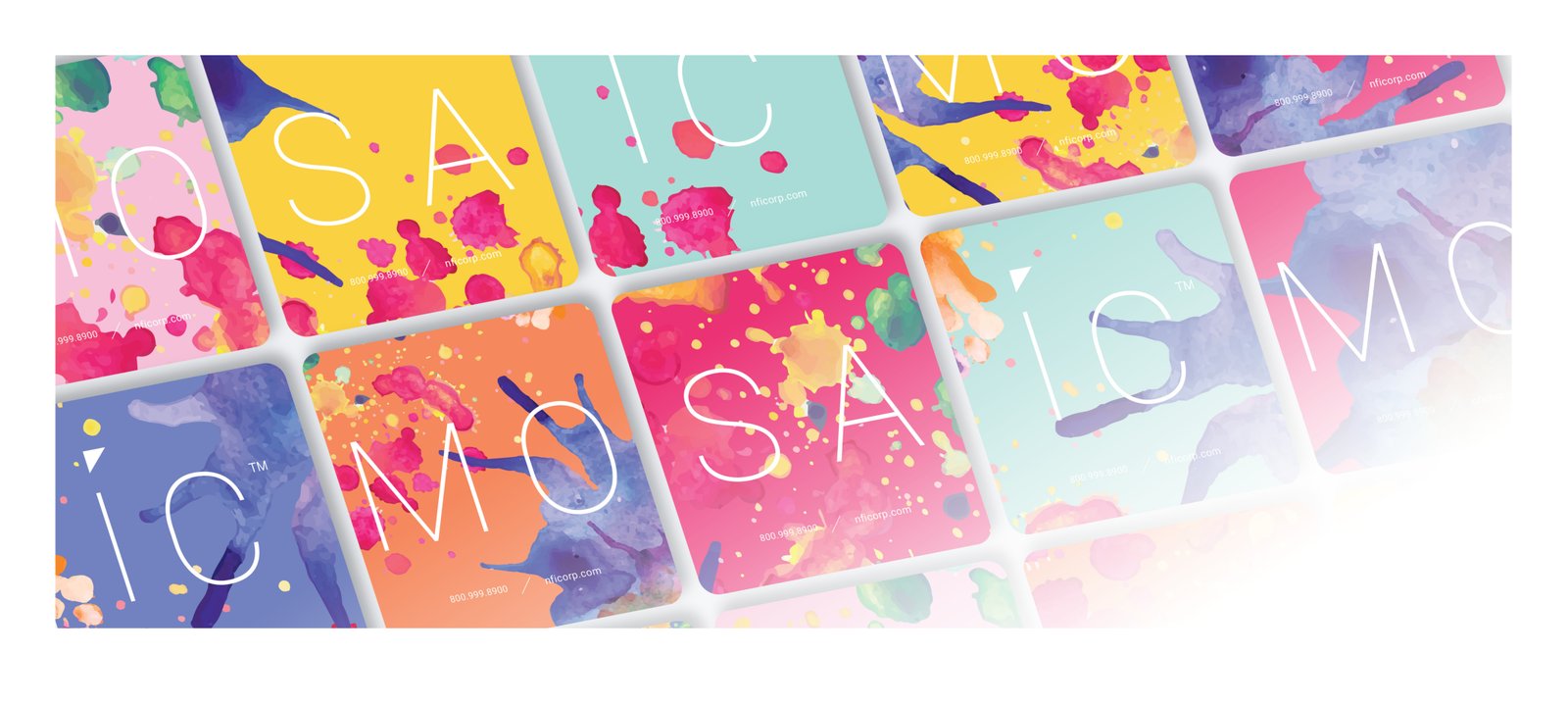
Can group labels for product inserts, promotions, retail packs, or events.
Suitable when each label is handled separately or supplied with an insert.
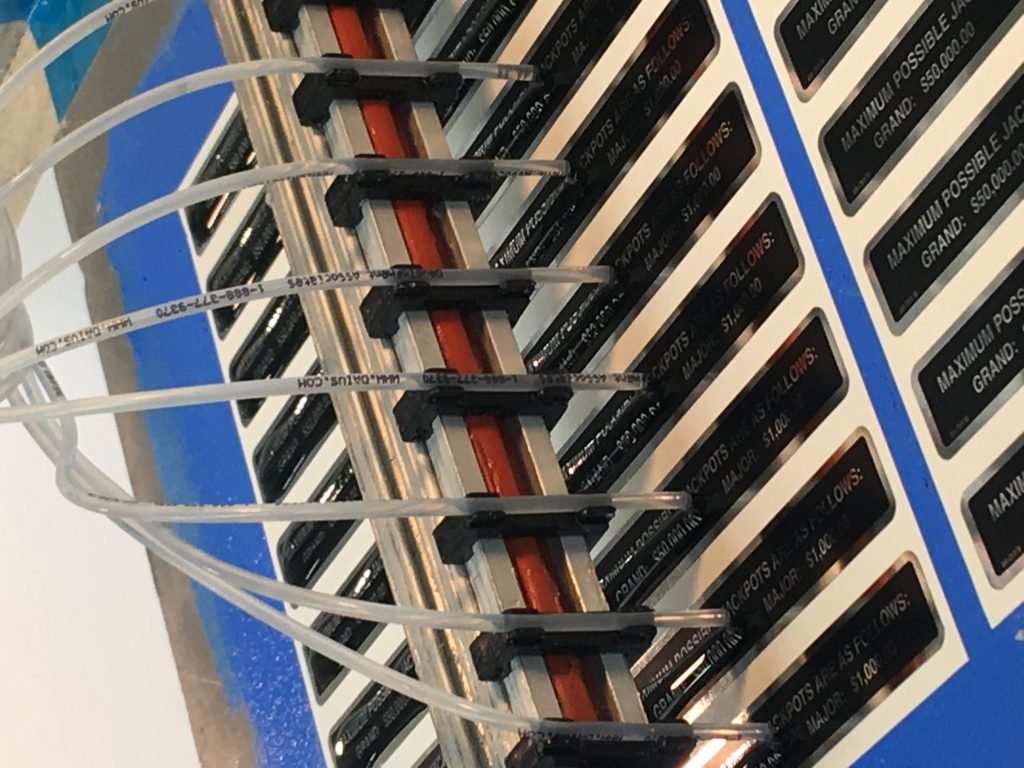
Custom sticker printing can follow a branded contour or distinctive promotional shape.

Can support a visible packaging detail when placement and opening workflow are defined.
| Format | Typical Use | Buyer Question |
|---|---|---|
| Roll labels | Repeated packaging application | Is a roll format needed? |
| Sticker sheets | Product inserts, promotions, grouped labels | How many labels appear per sheet? |
| Individual labels | Standalone use or packaging inserts | How will each label be handled? |
| Die-cut stickers | Custom-shaped branding | Does the shape follow the artwork? |

Personalized labels by industry
Brand, product details, and barcode areas often share a limited package surface. Buyers need to provide market-specific labeling requirements and approved content.
Packaging shape, variant naming, brand graphics, and visual finish are central planning points. Product owners should provide final content and applicable requirements.
Retail labels may need product identity, promotion, barcode areas, or packaging presentation. Plan scan area and placement before artwork is final.
Product ID, serial data, instructions, and surface location should be reviewed against actual equipment and user access.
Industrial labels can combine barcode, warning, rating, or asset information. Environment, placement, and buyer-defined content remain important inputs.
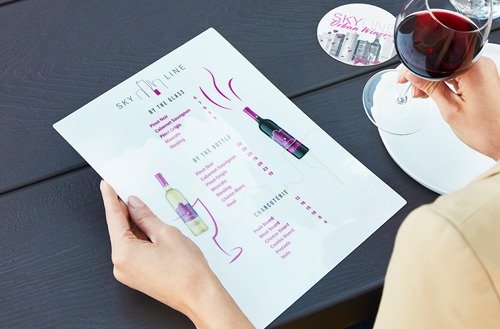
Custom shapes and distinctive effects can support campaigns, but distribution format and handling should be planned alongside visual impact.
Food, cosmetics, medical, chemical, export, or regulated projects require buyer-supplied labeling, language, safety, and compliance requirements with qualified review.
| Industry | Typical Label Content | Key Planning Point |
|---|---|---|
| Food and beverage | Brand, product details, barcode | Buyer-supplied market labeling requirements |
| Cosmetics | Product name, variant, brand graphics | Package shape and finish |
| Retail | Barcode, product identity, promotion | Scan area and label placement |
| Electronics | Product ID, serial data, instructions | Surface and required information |
| Industrial equipment | Barcode, warning, rating, asset data | Environment and placement |
How to choose personalized product labels
Planning in this order prevents a presentation decision from hiding an operational issue. It also gives procurement teams a clear basis for comparing internal requirements before requesting a quotation.

Common problems to avoid
Measure the usable area, seams, shoulders, and curves before finalising dimensions. A flat layout may not wrap as intended.
Barcode size, contrast, placement, and surrounding space should come from buyer requirements, not an assumed template.
Approve final artwork and variable data before production. Versions, translations, and product claims require a defined owner.
Review finish choices alongside surface, handling, lighting, and packaging workflow.
Specify which fields change, where data originates, and how files are reviewed.
Roll, sheet, and individual supply formats affect how labels are stored, handled, and applied.
| Potential Issue | Preventive Action |
|---|---|
| Poor fit | Measure usable package area and curves. |
| Barcode scan issue | Confirm barcode type, size, contrast, and placement. |
| Incorrect content | Approve final artwork and variable data. |
| Material mismatch | Share actual surface and environment. |
| Inconsistent variants | Control artwork and variable-data files. |
| Application difficulty | Confirm roll, sheet, or individual format early. |
Practical production notes
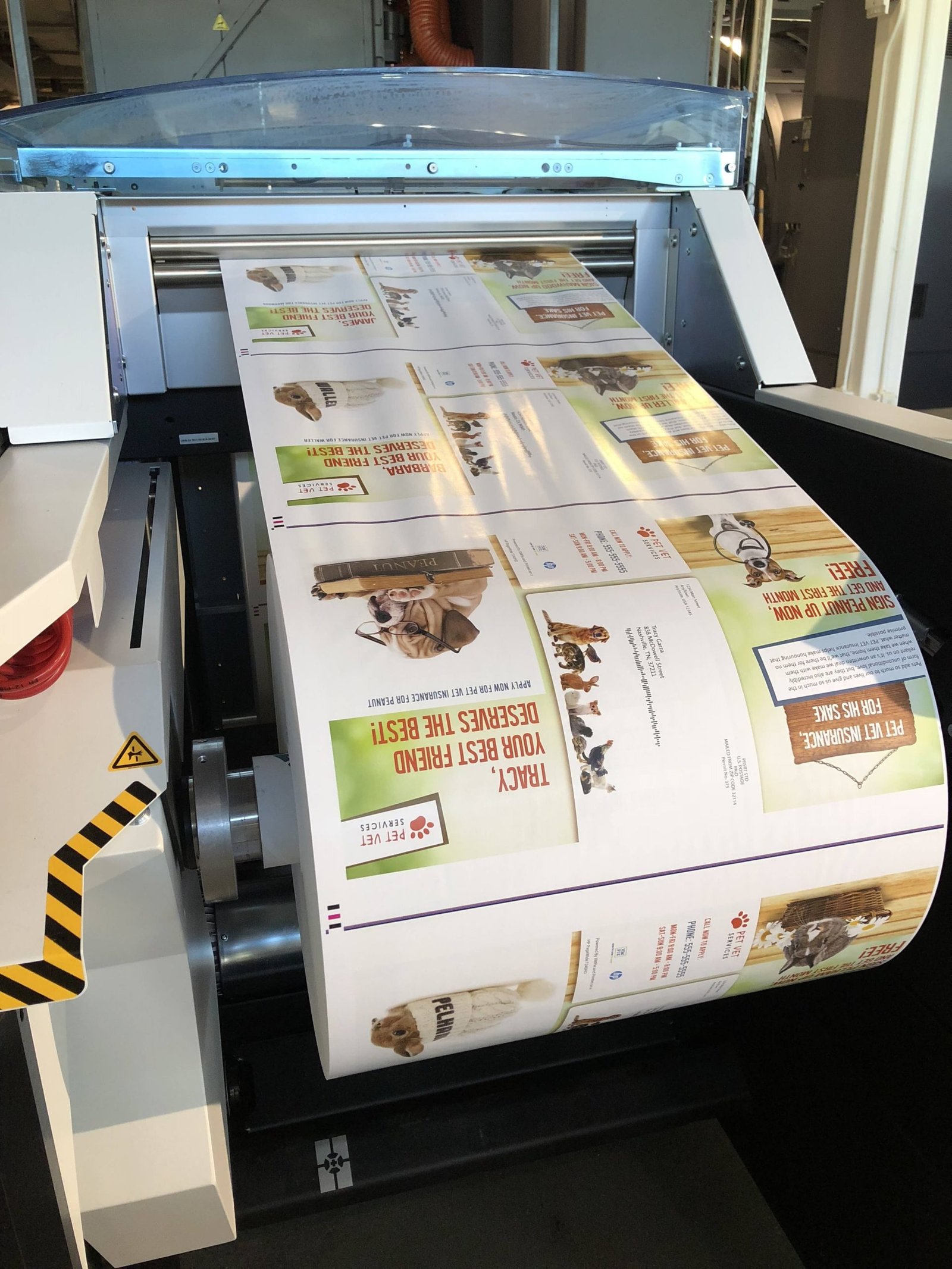
A personalized label project normally involves more than one image file. It may include master artwork, product variants, translated copy, barcode data, a variable-data file, a placement drawing, and a packaging photo. Assigning a clear owner to each item helps prevent a correct-looking label from carrying a previous version of a product name, barcode, or instruction.
For brands with several SKUs, build a simple content matrix before artwork changes begin. Put shared information in one group and variant-specific information in another. Shared content may include the logo, common legal copy, base colors, and repeated directions. Variant fields may include product name, flavour, shade, model, size, batch reference, barcode value, or QR destination.
Provide final artwork in the agreed file format along with dimensions, a marked safe area, and notes for anything that must remain readable. If a packaging surface has a seam, shoulder, window, handle, closure, or curved wall, show that area on a photo or drawing. This context is often more useful than a flat mock-up.
Use a revision name that connects the product, market, and date. Keep an approval record for the text, artwork, barcode data, and variable fields together. When product packaging changes, review the label as well. A small container change can affect label size, wrap position, barcode orientation, or the amount of visible copy.
Variable data printing needs a stable source file. Decide who supplies the data, which columns are used, how empty fields are treated, and who signs off on the final list. A spreadsheet can be practical, but it should be locked to an approved version before it is used for production.
| Planning Item | Useful Control | Reason |
|---|---|---|
| Master artwork | Approved source file and revision name | Prevents old graphics from returning. |
| Variant copy | Controlled content matrix | Keeps product names and details aligned. |
| Barcode data | Buyer-approved source list | Separates code data from visual assumptions. |
| Translations | Approved language files | Helps retain the intended meaning and hierarchy. |
| Package fit | Photo, drawing, and usable-area measurement | Shows curves, seams, and clear zones. |
| Final release | Single approved artwork package | Gives procurement and production one reference. |
Buyer workflow
Brand, marketing, packaging, purchasing, operations, and quality teams often view the same custom labels from different angles. Brand teams focus on recognition and finish. Packaging teams focus on fit and the product line. Procurement teams need a defined brief. Operations teams need a format that can be stored, applied, and checked consistently. Bringing those requirements together early reduces rework.
Follow the product from packing to delivery, shelf placement, and end use. Identify when the label is applied, whether it is handled by a person or equipment, what surface it contacts, and when the label needs to be read or scanned. This practical sequence can reveal issues that a digital artwork proof cannot show.
A visual treatment can be approved while product data is still under review. Keep those decisions distinct. The logo, colours, and custom cut shape may be settled first, while barcode data, translations, ingredient lists, serial numbers, or promotional dates require a separate product-owner approval. This helps control late changes without losing the overall layout.
When a range is expected to grow, create a repeatable structure: a consistent brand zone, an information zone, a barcode zone, and a variant zone. A structured system makes it easier to add new products without redesigning every label. It also helps retailers and internal teams recognise related products while maintaining a clear difference between individual SKUs.
Before a full rollout, use a representative package, surface, and label artwork to review visual balance, placement, legibility, and handling. Any project-specific validation or compliance requirement remains for the buyer and qualified advisers to define. The purpose of a sample review is to make the physical application visible before the label system is repeated.

FAQ
They are custom labels developed around a product, its package, its brand presentation, and its information requirements. They may vary in artwork, size, shape, material, finish, label format, and data. The final brief should be based on the actual product and the buyer’s approved content.
A label can include brand graphics, product names, variants, directions, barcode or QR areas, serial or batch information, and buyer-approved text. Requirements vary by product, market, and industry, so content, translations, and required statements should be confirmed by the product owner.
Yes, barcode labels and QR areas can be planned into the artwork. Buyers should provide the required code format, data, intended use, placement, and any size or contrast requirements. Final barcode requirements should be confirmed by the product owner or the relevant qualified adviser.
Roll labels can be discussed for repeated packaging application. Whether a roll is appropriate depends on the application method, equipment, storage, label size, and workflow. Share how the labels will be applied so the format can be considered alongside the label construction.
Start with the real package surface, shape, handling, environment, and desired visual result. PVC, PET, and PC can be discussed for different project directions, but suitability should not be assumed. Share product photos and application details for a more useful material conversation.
Prepare product type, package surface, dimensions, artwork, finished content, barcode or variable-data needs, material preference, finish, format, quantity, and application details. Requirements vary by product, market, and industry, and the buyer should confirm final approved content and applicable requirements.
Conclusion
Personalized product labels bring together brand presentation, product information, packaging function, and real application needs. The best result begins with a clear purpose, an accurate content set, a measured package surface, and a defined workflow for labels, barcodes, variable data, and final artwork.
StikTec supports custom pressure-sensitive labels, die-cut stickers, roll labels, sticker sheets, metallic and foil stickers, laminated labels, waterproof and weatherproof labels, barcode labels, and industrial identification labels. Material and finish conversations should always start with the actual application rather than a general promise of performance.
For a personalized product label project, share your package type, artwork, dimensions, content, barcode or variable-data needs, material preference, finish, quantity, and application details.

Discuss your personalized label project
Share product type, package surface, artwork, size, label format, quantity, material preference, finish, and barcode or variable-data requirements. Our team can discuss the physical label requirements around your buyer-defined brief.
E-mail: stik@stiktec.com
Phone: +86 13026625634
WhatsApp: wa.link/l98mzc
Address: No. 69, West Shipai Avenue, Shipai Town, Dongguan City, Guangdong Province
Related articles
Learn how self-adhesive labels work, including face materials, adhesive layers, liner, formats, and common uses.
Learn how die-cutting creates custom sticker shapes and how die-cut and kiss-cut formats differ.

Explore foil labels, metallic finishes, premium label effects, and artwork planning for reflective packaging details.